
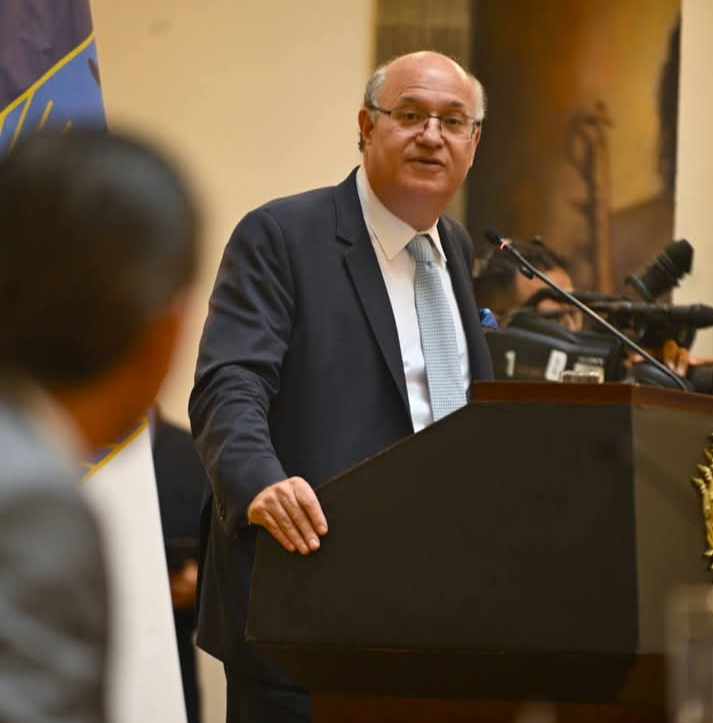
The visit of the President of the Inter-American Development Bank (IDB) to La Paz sent a message that goes beyond traditional cooperation: Bolivia needs an economic stabilization process. The head of the multilateral lender said that, after meeting with senior government ministers, progress was made on a joint agenda aimed at protecting the population while simultaneously boosting growth and job creation.
In the language of international financial institutions, the term “stabilization” is closely linked to programs designed to correct fiscal imbalances, review subsidies, and reform public spending, usually combined with social protection measures. In this context, the IDB appears to be aligning with a strategy of gradual adjustment with social safeguards, at a time when public finances are under strain and social demands remain high.
It is also significant that the IDB president met with politically influential ministers rather than only technical teams. This suggests that discussions are already moving toward concrete commitments, and that any future financing would likely be tied to a reform roadmap, particularly in areas such as employment, productivity, and fiscal sustainability.
For the government, IDB backing also serves a political purpose: it strengthens the narrative that there is an economic plan with international support at a moment of heightened social sensitivity. However, the real test will be how this agenda translates into concrete measures, and what political cost their implementation may carry, especially if they involve adjustments that directly affect household incomes.
Central editorial office La Paz


About Author
