
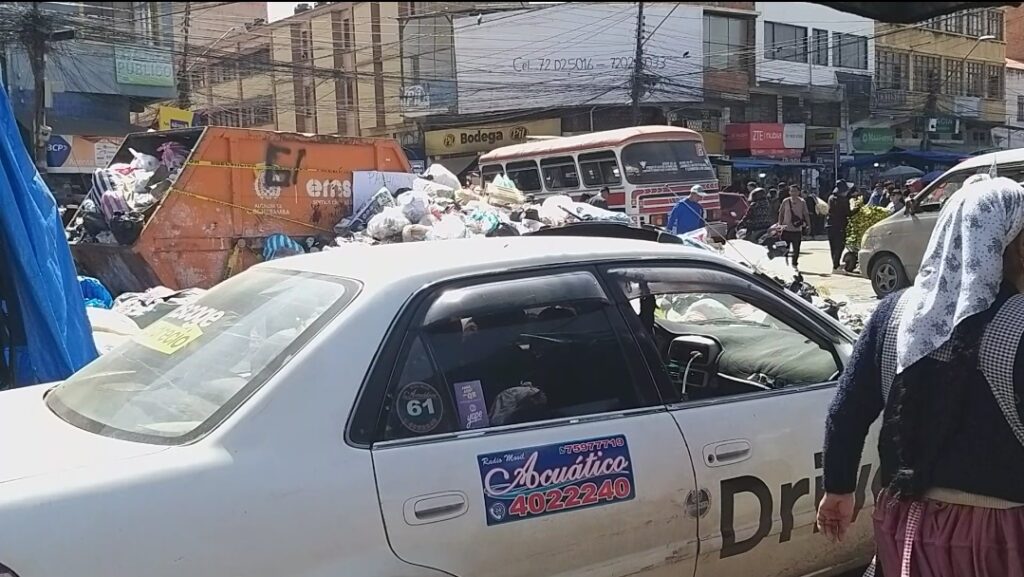
Cochabamba, Bolivia’s third-largest city, is facing an escalating sanitation crisis after the closure of its main landfill site at K’ara K’ara. Municipal efforts to secure alternative disposal sites have failed, as neighboring towns rejected proposals due to environmental and legal concerns.
Attempts to use a site in Sipe Sipe as a temporary solution were blocked by local authorities, citing a lack of proper licenses and environmental risks. Municipalities such as Anzaldo and Colcapirhua also declined to receive waste shipments. Meanwhile, provisional storage areas proposed by waste management company Complejo Industrial Verde have raised transparency and environmental safety concerns.
The city currently produces between 600 and 700 tons of waste daily, which remains largely uncollected. Health experts warn that the growing piles of refuse could become breeding grounds for disease and significantly impact public health.
Environmental expert Alberto Barrios has outlined a series of measures to address the emergency. He recommends the urgent establishment of temporary waste disposal sites under strict environmental controls, a citywide cleaning campaign supported by continuous health monitoring, and financial and logistical support from national authorities.
Barrios also stresses the need for government mediation to resolve conflicts between municipalities and communities, which have delayed the opening of new waste facilities. He calls for coordinated action involving the Ministry of Environment and Water, the Ministry of Health, the Cochabamba Departmental Government, and the city’s mayor.
The crisis highlights long-standing issues in municipal waste management and raises broader questions about environmental governance in Bolivia. Without swift intervention, health authorities warn that the situation could worsen, leading to outbreaks of disease and economic disruptions.
Central editorial office
Read here in Spanish: https://acortar.link/eyBOGZ


About Author
