
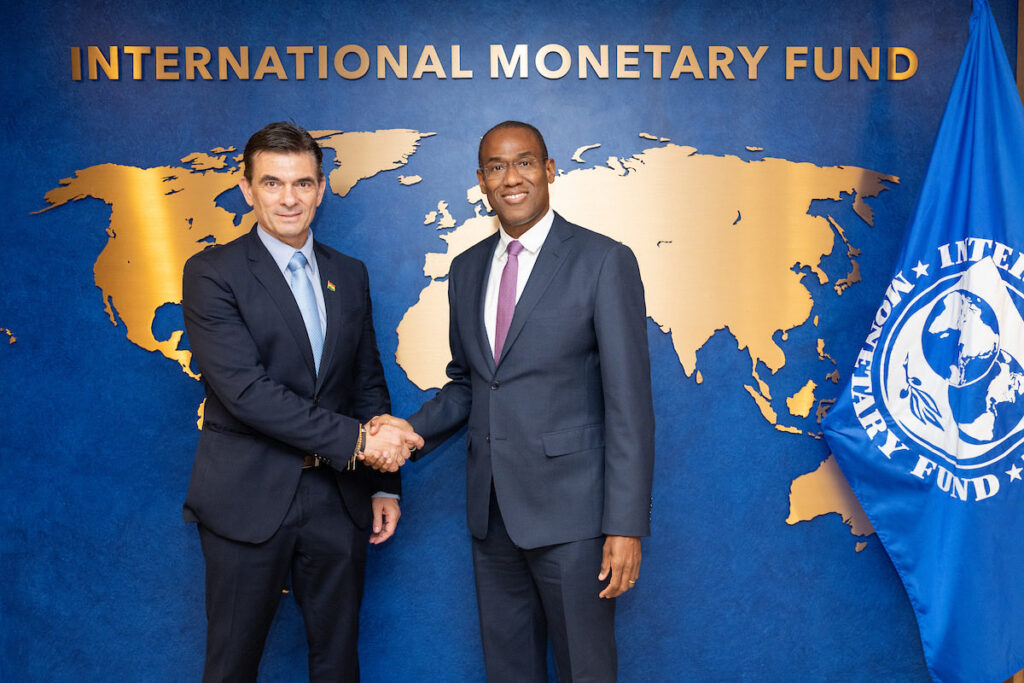
Bolivia is facing a dramatic economic and energy crisis, with dollar shortages, inflation above 20 % and disruptions in hydrocarbon production. In response, Paz has embarked on a diplomatic-financial mission in the United States to reset ties and unlock financing. During his meeting with Secretary Rubio at the U.S. State Department on 31 October 2025, Washington reaffirmed its commitment to “a strong partnership with Bolivia rooted in mutual prosperity.”
Simultaneously, Paz held a series of discussions with the IMF, the World Bank and the IDB, where he explored support programmes that blend immediate stabilisation, social-protection measures and longer-term structural reforms. For instance, the IDB proposed a three-phase framework linking short-term liquidity, protection for vulnerable groups and growth-oriented reform.
Paz stressed that Bolivia already has access to gasoline and diesel to mitigate the current shortages, and that his team is now focused on logistics and transparent procurement processes. He emphasised that his administration will pivot from opaque contracting towards competitive, internationally-benchmarked practices.
However, the incoming government’s agenda faces serious headwinds: decades of state-owned enterprise deficits, weak institutions and politicised economic policymaking have left little margin for error. From a transparency and democratic-governance perspective, international engagement brings visibility but also accountability—raising questions about how Bolivia will manage conditionality, protect sovereign decision-making and ensure public oversight of external financing.
This trip marks a clear turning point in Bolivia’s foreign-policy orientation, signalling a departure from the previous MAS-governments’ distant posture toward Washington and deeper engagement with global financial institutions. For investors and international stakeholders, the message is: Bolivia is open for business—but will this pivot lead to genuine reform or simply new dependencies?
Central newsroom Washington - La Paz


About Author
